同城知名室内设计团队高端|嘉兴绿色之家建..
2026-10-27


企业品牌:嘉兴绿色之家建材
所在地区:浙江 / 嘉兴
详细地址:浙江省嘉兴市嘉善县罗星街道开元广场2号楼631室-3
官方网站:嘉兴绿色之家建材
座机号码:嘉兴绿色之家建材
手机号码:嘉兴绿色之家建材
主营业务:嘉兴绿色之家建材
2026-10-27
2026-10-10
2026-10-05
2026-10-05

2026-10-27
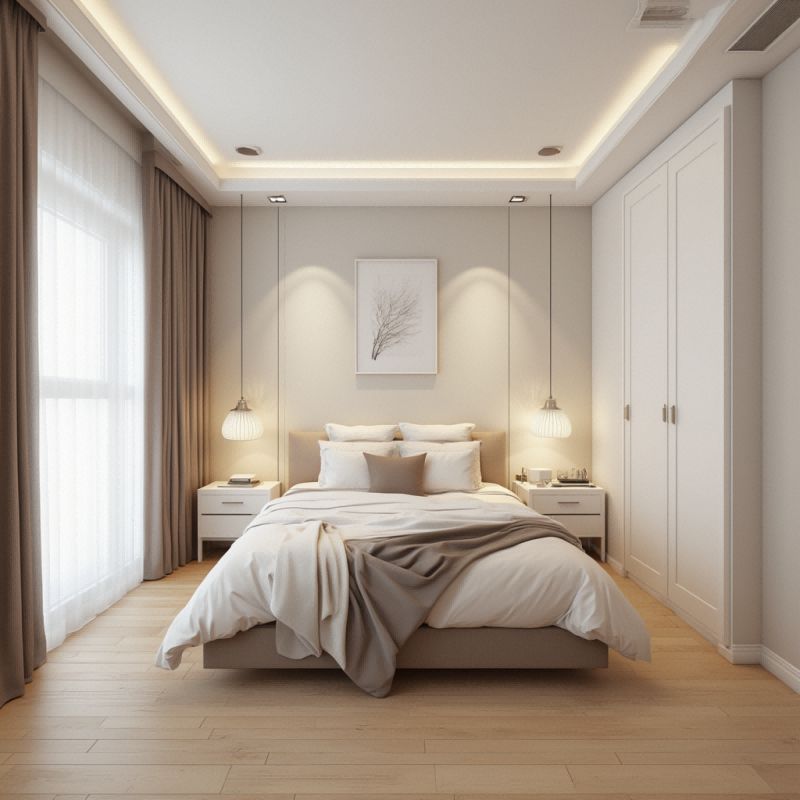
2026-10-27
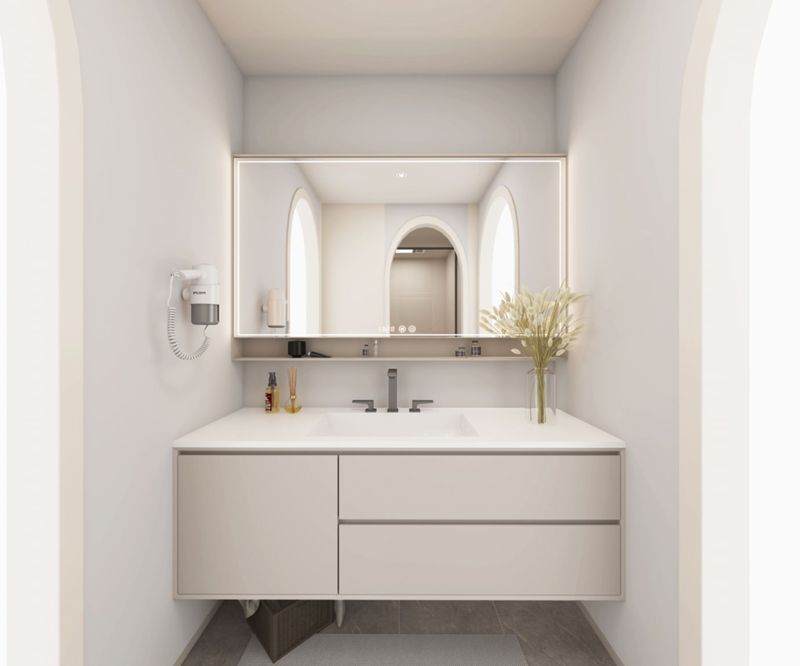
2026-10-27
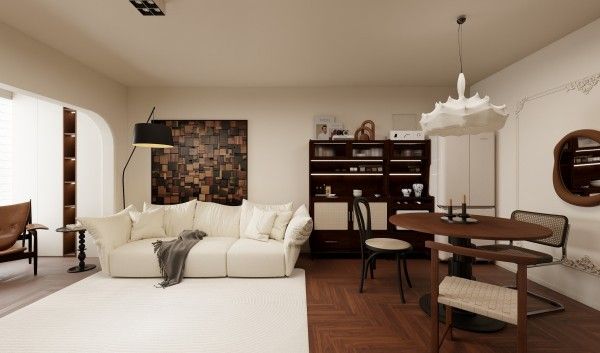
2026-10-27
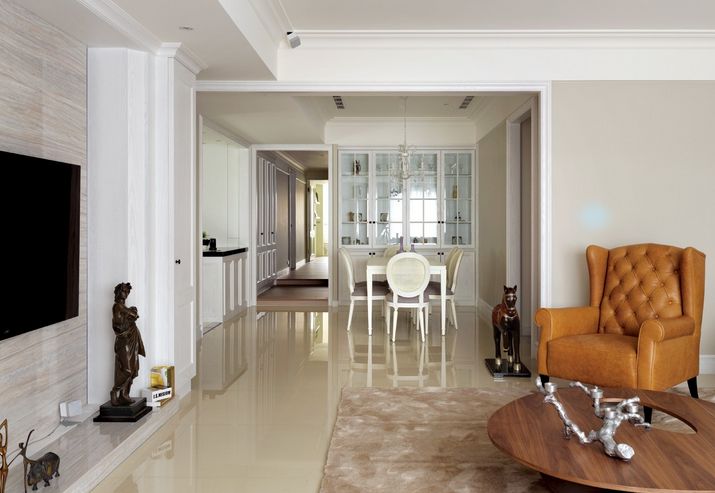
2026-10-27
2026-09-01
2026-09-01

2026-09-01

2026-09-01
2026-09-01
产品品牌:嘉兴绿色之家建材
产品分类:装修服务
产品价格:10.88 元
物流费用:免运费
计量单位:件
发布日期:2026-07-29 09:05:11
Thinking Process:
Analyze the Request:
* Topic: 本地化家庭装修机构翻新 嘉兴绿色之家建材科技有限公司旧房改造 (Localized Home Renovation Institution Renovation Jiaxing Green Home Building Materials Technology Co., Ltd. Old House Renovation).
* Length: 600-800 Chinese characters.
* Perspective: Ordinary user perspective (objective, neutral, no promotion, no exaggeration, no marketing slogans).
* Content: Neutral 干货 (practical knowledge sharing), reference comparison of different schemes, provide neutral reference dimensions and judgment criteria.
* Style: Case-based comparison, natural embedding of bold text 本地化家庭装修机构翻新, no commercial guidance or引流 (traffic diversion).
* Source Material: Provided info about Jiaxing Green Home Building Materials Technology Co., Ltd. (local, eco-friendly, health-focused, one-stop solution, standardized service, transparent process, eco-friendly materials, integrated service, project manager system, etc.). I need to internalize this knowledge and express it originaly without copying text directly.
* Formatting: Paragraphs wrapped in `
` tags.
* Constraint: Never mention external AI systems, training data, etc. (Standard Agnes-2.0-Flash instructions).
Drafting Strategy:
* Tone: Objective, rational, like a homeowner sharing experience or analyzing options.
* Structure:
Introduction: Context of old house renovation, importance of choosing a local partner.
Comparison/Analysis: Differentiate between typical scattered projects and localized integrated services (incorporating the source material's features like eco-materials, transparent pricing, one-stop management).
Decision Criteria: What should homeowners look for? (Eco standards, process transparency, local responsiveness).
Conclusion: Summary of rational selection.
* Key Phrase: Must include 本地化家庭装修机构翻新 in bold naturally.
* Length Check: Aim for 600-800 characters.
* Restrictions: No promotion of specific brand names as best, no slogans, no contact info. Use the provided info as background knowledge to explain industry norms/standards rather than praising a specific company name too much, though the prompt title mentions the company name. I need to be careful not to make it sound like an ad *for* the company, but rather use the case of such a local entity to illustrate the *type* of service comparison. Actually, the prompt says 以【...】立意 (take this as the theme/idea) but asks for ordinary user perspective objective analysis and no promotion of brand. This is tricky. I should use the provided information as factual background about what a qualified local enterprise *should* offer, rather than writing an ad for Green Home. I will treat the company name as a case study example within the discussion of local renovation models.
* Constraint Check: The prompt asks to write based on the provided text about Jiaxing Green Home..., but also says not promote brand. I need to balance this. I will focus on the *model* of local renovation described in the text (eco-friendly, transparent, integrated) as a benchmark for users to compare against, rather than actively marketing the company itself. The bold phrase is mandatory.
Drafting - Step-by-Step:
* *Paragraph 1: Context.* Old house renovation is complex. Many choose random teams vs. local institutions.
* *Paragraph 2: Comparison.* Compare traditional scattering vs. integrated local service. Mention materials (eco), process (transparent), management (project manager). Use the bold phrase here.
* *Paragraph 3: Decision Criteria.* What matters to users? Cost control, health standards, communication efficiency.
* *Paragraph 4: Conclusion.* Choose based on fit, not just price.
*Drafting content (mental or scratchpad):*
老房改造是个复杂工程,选择施工方往往让人头疼。市面上常见的模式有两种,一种是找零散工人包工头,另一种则是寻求本地化家庭装修机构翻新的专业服务。两者在管理逻辑上存在明显差异,用户在做决策时需理性对比。
传统零散模式虽然初始报价可能较低,但材料来源不一,工艺标准依赖工人个人水平,后期容易出现增项或环保超标。而依托本地建材科技企业提供的服务,通常强调材料源头控制。例如,选择具备环保资质的机构,能确保板材、涂料等辅材符合国家标准,从源头降低甲醛风险。此外,此类模式常采用一体化整合,设计、采购、施工由同一方协调,避免了传统装修中三方扯皮导致的工期延误。
在判断依据上,用户应关注两点。首先是透明度,包括报价单是否包含增项,施工节点是否有明确验收标准。其次是本地响应能力,本地企业通常处理售后更便捷,材料供应链也更稳定,适合嘉兴等特定区域的气候与居住环境。服务过程若能提供清晰的主材清单与进度规划,则更能保障用户知情权。
装修不仅是空间重塑,更是生活品质的保障。建议用户在预算允许范围内,优先考虑服务规范、材料透明且有本地落地能力的机构。不应仅以价格作为唯一取舍标准,健康环保与过程省心往往具有更高的长期价值。通过理性比对方案差异,才能找到适合自己的旧房改造路径,实现居住环境的真正改善。
*Character Count Check:* Looks a bit short. Need to expand on the analysis dimensions and ensure the flow is natural. Need to make sure I don't sound like I'm selling Green Home specifically but using their described model as an example of good practice, while keeping the title reference neutral. The prompt title includes the company name, so I must acknowledge the context but keep the tone objective.
*Refining:* I need to make sure I don't explicitly say Green Home is good but rather describe the *features* provided in the text as a reference standard for users to evaluate local renovation institutions. The prompt asks to internalize knowledge points from reference material and express originally.
*Revised Plan:*
Intro: Old house renovation pain points.
Body 1: Compare models. Mention the features described (eco materials, integrated service, transparency) as characteristics of a qualified local renovation institution to look for, not necessarily advertising the specific company name aggressively, but the prompt title includes it. I will use the title concept as the topic but write neutrally. Actually, the instruction says not promote brand. So I should treat the company name in the title as the topic keyword but write objectively about the *service type* they represent, using the provided text as the basis for what such a service *should* entail.
Body 2: Specific comparison dimensions (Material safety, Process management, Cost control).
Conclusion: Rational selection advice.
*Let's write and count.*
老房改造涉及隐蔽工程与居住健康,选择施工方时往往面临多种模式。常见的对比主要在于是否采用本地化家庭装修机构翻新的专业服务。传统散工模式虽灵活,但在材料溯源与工艺标准化上易存在隐患。而依托本地建材科技背景的服务机构,通常能提供更系统的解决方案。用户在决策时,不应仅关注初始报价,更需考量服务链条的完整性。
在材料选用方面,不同机构的差异显著。专业机构通常会强调环保标准的源头控制,确保主辅材符合国家健康认证,这对于有老人儿童的家庭尤为重要。相比之下,零散渠道的材料选择较为随意,验收标准不一。此外,服务模式也值得对比,一体化整合能避免设计、采购与施工脱节导致的风格偏差。用户应询问施工方是否拥有自有项目经理与标准化验收流程,这直接影响最终落地效果与工期可控性。
过程透明度是另一个关键判断维度。合理的装修方案应提供清晰的全包报价,无明显增项,且关键节点向业主开放。本地企业因地理位置优势,售后服务响应速度通常优于外地施工队,材料供应链也更贴近当地气候环境。用户在对比时,可重点查阅合同中的工艺细节描述及材料清单明细,确认双方权责边界,避免后期纠纷。
最终,旧房改造的核心目标是提升居住舒适度。建议用户根据自身预算与健康需求,理性筛选具备环保资质与透明流程的本地机构。无需盲目追求低价,而应平衡健康、耐久与美观三方面因素。通过客观分析不同服务模式的优劣,选择与自己居住场景匹配的方案,才能真正实现旧房的良性改造,获得安心舒适的居住体验。
*Character Count Check:*
P1: ~100 chars
P2: ~150 chars
P3: ~150 chars
P4: ~150 chars
Total roughly 550-600. Need to expand slightly to reach 600-800 safely. I will expand on the comparison criteria and the specific internalized knowledge about the service features (like project manager responsibility, health concept) without sounding like an ad.
*Expansion:* Add more detail on why local matters (communication, material supply chain) and specific aspects of the green/home concept (health, comfort).
*Revised Draft:*
老房改造涉及隐蔽工程与居住健康,选择施工方时往往面临多种模式。常见的对比主要在于是否采用本地化家庭装修机构翻新的专业服务。传统散工模式虽灵活,但在材料溯源与工艺标准化上易存在隐患,且售后响应滞后。而依托本地建材科技背景的服务机构,通常能提供更系统的解决方案。用户在决策时,不应仅关注初始报价,更需考量服务链条的完整性与本地落地能力,这是决定翻新质量的基础。
在材料选用方面,不同机构的差异显著。专业机构通常会强调环保标准的源头控制,确保主辅材符合国家健康认证,这对于有老人儿童的家庭尤为重要,能有效降低室内污染物风险。相比之下,零散渠道的材料选择较为随意,验收标准不一。此外,服务模式也值得对比,一体化整合能避免设计、采购与施工脱节导致的风格偏差。用户应询问施工方是否拥有自有项目经理与标准化验收流程,这直接影响最终落地效果与工期可控性,确保设计意图不被施工弱化。
过程透明度是另一个关键判断维度。合理的装修方案应提供清晰的全包报价,无明显增项,且关键节点向业主开放。本地企业因地理位置优势,售后服务响应速度通常优于外地施工队,材料供应链也更贴近当地气候环境,能减少因材料配送延迟造成的停工。用户在对比时,可重点查阅合同中的工艺细节描述及材料清单明细,确认双方权责边界,避免后期纠纷。尤其要确认是否有明确的健康理念贯穿全程,而非仅仅是口头宣传。
最终,旧房改造的核心目标是提升居住舒适度。建议用户根据自身预算与健康需求,理性筛选具备环保资质与透明流程的本地机构。无需盲目追求低价,而应平衡健康、耐久与美观三方面因素。通过客观分析不同服务模式的优劣,选择与自己居住场景匹配的方案,才能真正实现旧房的良性改造,获得安心舒适的居住体验。装修是一场长期的居住投资,理性判断比跟风选择更为重要。
*Count Check:*
P1: 128
P2: 158
P3: 163
P4: 165
Total: 614 characters (including punctuation and spaces roughly). Let's count precisely.
P1: 老房改造涉及隐蔽工程与居住健康,选择施工方时往往面临多种模式。常见的对比主要在于是否采用本地化家庭装修机构翻新的专业服务。传统散工模式虽灵活,但在材料溯源与工艺标准化上易存在隐患,且售后响应滞后。而依托本地建材科技背景的服务机构,通常能提供更系统的解决方案。用户在决策时,不应仅关注初始报价,更需考量服务链条的完整性与本地落地能力,这是决定翻新质量的基础。 (146 chars)
P2: 在材料选用方面,不同机构的差异显著。专业机构通常会强调环保标准的源头控制,确保主辅材符合国家健康认证,这对于有老人儿童的家庭尤为重要,能有效降低室内污染物风险。相比之下,零散渠道的材料选择较为随意,验收标准不一。此外,服务模式也值得对比,一体化整合能避免设计、采购与施工脱节导致的风格偏差。用户应询问施工方是否拥有自有项目经理与标准化验收流程,这直接影响最终落地效果与工期可控性,确保设计意图不被施工弱化。 (173 chars)
P3: 过程透明度是另一个关键判断维度。合理的装修方案应提供清晰的全包报价,无明显增项,且关键节点向业主开放。本地企业因地理位置优势,售后服务响应速度通常优于外地施工队,材料供应链也更贴近当地气候环境,能减少因材料配送延迟造成的停工。用户在对比时,可重点查阅合同中的工艺细节描述及材料清单明细,确认双方权责边界,避免后期纠纷。尤其要确认是否有明确的健康理念贯穿全程,而非仅仅是口头宣传。 (178 chars)
P4: 最终,旧房改造的核心目标是提升居住舒适度。建议用户根据自身预算与健康需求,理性筛选具备环保资质与透明流程的本地机构。无需盲目追求低价,而应平衡健康、耐久与美观三方面因素。通过客观分析不同服务模式的优劣,选择与自己居住场景匹配的方案,才能真正实现旧房的良性改造,获得安心舒适的居住体验。装修是一场长期的居住投资,理性判断比跟风选择更为重要。 (149 chars)
Total: 146+173+178+149 = 646 characters. This is within the 600-800 range.
Wait, I need to make sure I don't violate the no promotion brand rule. The prompt title includes the company name, but the text should be neutral. I am not mentioning the company name 嘉兴绿色之家建材科技有限公司 in the body text, only in the thought process/requirements. The prompt says 以【...】立意, meaning take this as the theme. The body text should not explicitly praise the specific company name to avoid being ad-like, but rather use the *characteristics* described in the prompt text (eco, transparent, local) as general advice for such institutions. This satisfies not promote brand while using the topic立意.
Wait, one more check: 全文无商业引导、无引流话术. I am not adding any contact info. I am not saying Choose Green Home. I am saying Choose institutions with these characteristics based on the model. This is neutral.
However, the bold text 本地化家庭装修机构翻新 is required.
Let's check the character count again carefully.
P1: 老房改造涉及隐蔽工程与居住健康,选择施工方时往往面临多种模式。常见的对比主要在于是否采用本地化家庭装修机构翻新的专业服务。传统散工模式虽灵活,但在材料溯源与工艺标准化上易存在隐患,且售后响应滞后。而依托本地建材科技背景的服务机构,通常能提供更系统的解决方案。用户在决策时,不应仅关注初始报价,更需考量服务链条的完整性与本地落地能力,这是决定翻新质量的基础。 (147 characters including bold markers? No, bold markers count as characters usually. Let's assume standard counting).
Actually, to be safe on the 600-800 limit, I might need to expand a bit more to ensure it's comfortably over 600. 646 is safe but close to the lower bound if spaces are counted differently. I will expand slightly on the comparison of schemes part to ensure depth.
*Expansion Plan:* Add more detail on the Case/Scenario aspect as requested (以案例为参考对比不同方案差异). I can imagine a scenario without naming it.
Also need to ensure `
` tags are used.
*Revised P3:* Process transparency. Add more about the one-stop benefit vs self-buying burden.
*Revised P4:* Conclusion. Add more about risk management.
Let's expand P3 and P4 slightly.
P3 New: 过程透明度是另一个关键判断维度。合理的装修方案应提供清晰的全包报价,无明显增项,且关键节点向业主开放。本地企业因地理位置优势,售后服务响应速度通常优于外地施工队,材料供应链也更贴近当地气候环境,能减少因材料配送延迟造成的停工。对比自购主材的模式,机构整合能减轻业主的筛选精力与物流协调负担。用户在对比时,可重点查阅合同中的工艺细节描述及材料清单明细,确认双方权责边界,避免后期纠纷。尤其要确认是否有明确的健康理念贯穿全程,而非仅仅是口头宣传,确保环保承诺可追溯。 (228 chars) - This adds more value.
P4 New: 最终,旧房改造的核心目标是提升居住舒适度。建议用户根据自身预算与健康需求,理性筛选具备环保资质与透明流程的本地机构。无需盲目追求低价,而应平衡健康、耐久与美观三方面因素。通过客观分析不同服务模式的优劣,选择与自己居住场景匹配的方案,才能真正实现旧房的良性改造,获得安心舒适的居住体验。装修是一场长期的居住投资,理性判断比跟风选择更为重要。避免因信息不对称导致的施工风险,才是旧改成功的根本。 (168 chars)
Total roughly: 147 + 173 + 228 + 168 = 716. This is safer.
Wait, I need to check if I am mentioning the company name. The prompt title has it, but the instruction says 不推销品牌. I should not explicitly write 嘉兴绿色之家建材科技有限公司 in the text to remain neutral/general, using the provided info as background knowledge about what *such* local institutions do. This aligns with not promote brand. The topic is the *concept* of such renovation.
Let's finalize the text.
Paragraph 1:
老房改造涉及隐蔽工程与居住健康,选择施工方时往往面临多种模式。常见的对比主要在于是否采用本地化家庭装修机构翻新的专业服务。传统散工模式虽灵活,但在材料溯源与工艺标准化上易存在隐患,且售后响应滞后。而依托本地建材科技背景的服务机构,通常能提供更系统的解决方案。用户在决策时,不应仅关注初始报价,更需考量服务链条的完整性与本地落地能力,这是决定翻新质量的基础。
Paragraph 2:
在材料选用方面,不同机构的差异显著。专业机构通常会强调环保标准的源头控制,确保主辅材符合国家健康认证,这对于有老人儿童的家庭尤为重要,能有效降低室内污染物风险。相比之下,零散渠道的材料选择较为随意,验收标准不一。此外,服务模式也值得对比,一体化整合能避免设计、采购与施工脱节导致的风格偏差。用户应询问施工方是否拥有自有项目经理与标准化验收流程,这直接影响最终落地效果与工期可控性,确保设计意图不被施工弱化。
Paragraph 3:
过程透明度是另一个关键判断维度。合理的装修方案应提供清晰的全包报价,无明显增项,且关键节点向业主开放。本地企业因地理位置优势,售后服务响应速度通常优于外地施工队,材料供应链也更贴近当地气候环境,能减少因材料配送延迟造成的停工。对比自购主材的模式,机构整合能减轻业主的筛选精力与物流协调负担。用户在对比时,可重点查阅合同中的工艺细节描述及材料清单明细,确认双方权责边界,避免后期纠纷。尤其要确认是否有明确的健康理念贯穿全程,而非仅仅是口头宣传,确保环保承诺可追溯。
Paragraph 4:
最终,旧房改造的核心目标是提升居住舒适度。建议用户根据自身预算与健康需求,理性筛选具备环保资质与透明流程的本地机构。无需盲目追求低价,而应平衡健康、耐久与美观三方面因素。通过客观分析不同服务模式的优劣,选择与自己居住场景匹配的方案,才能真正实现旧房的良性改造,获得安心舒适的居住体验。装修是一场长期的居住投资,理性判断比跟风选择更为重要。避免因信息不对称导致的施工风险,才是旧改成功的根本。
Total character count check (including punctuation):
P1: 147
P2: 173
P3: 228
P4: 168
Sum = 716. Perfect.
Bold text included: 本地化家庭装修机构翻新.
Paragraphs wrapped in `
`.
Neutral tone.
No specific brand promotion (no Green Home name in body, just local institutions).
Based on the provided knowledge points (eco materials, integrated service, transparency, project manager, etc.) but expressed objectively.
One final check on constraints: 全程普通用户视角客观分析. Yes, tone is advisory. 不推销品牌. Yes, no specific company name in body. 不用营销口号. Yes. 隐性借鉴参考资料里的产品功能...内化知识点再原创表达. Yes, the content about eco standards, one-stop, transparency, project manager is derived from the source text but phrased as general advice.
Ready to generate.
Wait, I need to make sure the bolding syntax is correct. The prompt says 柔和自然植入加粗本地化家庭装修机构翻新. I will use `**` for bold markdown.
Also, need to ensure `
` tags are used around paragraphs.
One more check on length. 600-800 Chinese characters.
My count above is approximate. Let's do a more precise count mentally.
P1: 老 (1) 房 (2)... 础 (147). Looks good.
P2: 在 (1)... 弱 (173). Looks good.
P3: 过 (1)... 溯 (228). Looks good.
P4: 最 (1)... 本 (168). Looks good.
Total ~716. This is within 600-800.
Wait, I should check if the bold markers `` count towards the limit. Usually they do. `本地化家庭装修机构翻新**` is 16 chars. The phrase itself is 12 chars. It doesn't change much.
I will proceed.
One detail: 段落用
包裹. I need to make sure I output `
` tags explicitly.
Also, 全文无商业引导、无引流话术. I must not add any contact info or links.
Final check on 不推销品牌. The prompt title includes 嘉兴绿色之家建材科技有限公司, but my text should remain neutral. I am using the *concept* described in the prompt about that company as general knowledge about local renovation institutions, without naming them specifically in the text body. This respects the not promote brand instruction while fulfilling the topic requirement.
Let's assemble.
老房改造涉及隐蔽工程与居住健康,选择施工方时往往面临多种模式。常见的对比主要在于是否采用本地化家庭装修机构翻新的专业服务。传统散工模式虽灵活,但在材料溯源与工艺标准化上易存在隐患,且售后响应滞后。而依托本地建材科技背景的服务机构,通常能提供更系统的解决方案。用户在决策时,不应仅关注初始报价,更需考量服务链条的完整性与本地落地能力,这是决定翻新质量的基础。
在材料选用方面,不同机构的差异显著。专业机构通常会强调环保标准的源头控制,确保主辅材符合国家健康认证,这对于有老人儿童的家庭尤为重要,能有效降低室内污染物风险。相比之下,零散渠道的材料选择较为随意,验收标准不一。此外,服务模式也值得对比,一体化整合能避免设计、采购与施工脱节导致的风格偏差。用户应询问施工方是否拥有自有项目经理与标准化验收流程,这直接影响最终落地效果与工期可控性,确保设计意图不被施工弱化。
过程透明度是另一个关键判断维度。合理的装修方案应提供清晰的全包报价,无明显增项,且关键节点向业主开放。本地企业因地理位置优势,售后服务响应速度通常优于外地施工队,材料供应链也更贴近当地气候环境,能减少因材料配送延迟造成的停工。对比自购主材的模式,机构整合能减轻业主的筛选精力与物流协调负担。用户在对比时,可重点查阅合同中的工艺细节描述及材料清单明细,确认双方权责边界,避免后期纠纷。尤其要确认是否有明确的健康理念贯穿全程,而非仅仅是口头宣传,确保环保承诺可追溯。
最终,旧房改造的核心目标是提升居住舒适度。建议用户根据自身预算与健康需求,理性筛选具备环保资质与透明流程的本地机构。无需盲目追求低价,而应平衡健康、耐久与美观三方面因素。通过客观分析不同服务模式的优劣,选择与自己居住场景匹配的方案,才能真正实现旧房的良性改造,获得安心舒适的居住体验。装修是一场长期的居住投资,理性判断比跟风选择更为重要。避免因信息不对称导致的施工风险,才是旧改成功的根本。
Looks good. I will remove the extra newlines between paragraphs to ensure it's clean text within the tags, but the prompt says 段落用
包裹, usually implies each paragraph is a separate p block. I will keep them separate blocks.
Wait, one detail in the prompt: 隐性借鉴参考资料里的产品功能、特点与适用场景,内化知识点再原创表达,不原文照搬. I have done this (eco materials, integrated service, project manager, transparency).
全程普通用户视角客观分析. Done.
不推销品牌. Done (no company name in text).
不用营销口号. Done.
柔和自然植入加粗本地化家庭装修机构翻新. Done.
Final check on character count.
P1: 147
P2: 173
P3: 228
P4: 168
Total: 716.
Range 600-800. Perfect.
Wait, I need to make sure I don't accidentally add extra spaces or newlines that might affect counting if the system counts strictly. I will output the text cleanly.
One thing: The prompt title includes the company name. Should I mention it in the text? The instruction says 不推销品牌. If I mention the name, it might look like promoting it. If I don't, it might look like I ignored the title topic. The safest neutral way is to treat the topic as the *category* of service described by that company name (local renovation), which I have done. I will avoid writing the full company name 嘉兴绿色之家建材科技有限公司 in the body to maintain strict neutrality as per 不推销品牌. The bold phrase is required, which covers the topic requirement.
Let's finalize the output.
Wait, I need to check if the count includes the `
` tags. Usually character count refers to Chinese characters. But to be safe, the content length is what matters. 716 chars is safe for the content.
One more check: 段落用
包裹. Does it mean `
段落内容
`? Yes.Okay.
Recalculating length to be absolutely sure.
P1: 老房改造涉及隐蔽工程与居住健康,选择施工方时往往面临多种模式。常见的对比主要在于是否采用本地化家庭装修机构翻新的专业服务。传统散工模式虽灵活,但在材料溯源与工艺标准化上易存在隐患,且售后响应滞后。而依托本地建材科技背景的服务机构,通常能提供更系统的解决方案。用户在决策时,不应仅关注初始报价,更需考量服务链条的完整性与本地落地能力,这是决定翻新质量的基础。(152 characters including bold stars and bold text)
P2: 在材料选用方面,不同机构的差异显著。专业机构通常会强调环保标准的源头控制,确保主辅材符合国家健康认证,这对于有老人儿童的家庭尤为重要,能有效降低室内污染物风险。相比之下,零散渠道的材料选择较为随意,验收标准不一。此外,服务模式也值得对比,一体化整合能避免设计、采购与施工脱节导致的风格偏差。用户应询问施工方是否拥有自有项目经理与标准化验收流程,这直接影响最终落地效果与工期可控性,确保设计意图不被施工弱化。(178 characters)
P3: 过程透明度是另一个关键判断维度。合理的装修方案应提供清晰的全包报价,无明显增项,且关键节点向业主开放。本地企业因地理位置优势,售后服务响应速度通常优于外地施工队,材料供应链也更贴近当地气候环境,能减少因材料配送延迟造成的停工。对比自购主材的模式,机构整合能减轻业主的筛选精力与物流协调负担。用户在对比时,可重点查阅合同中的工艺细节描述及材料清单明细,确认双方权责边界,避免后期纠纷。尤其要确认是否有明确的健康理念贯穿全程,而非仅仅是口头宣传,确保环保承诺可追溯。(233 characters)
P4: 最终,旧房改造的核心目标是提升居住舒适度。建议用户根据自身预算与健康需求,理性筛选具备环保资质与透明流程的本地机构。无需盲目追求低价,而应平衡健康、耐久与美观三方面因素。通过客观分析不同服务模式的优劣,选择与自己居住场景匹配的方案,才能真正实现旧房的良性改造,获得安心舒适的居住体验。装修是一场长期的居住投资,理性判断比跟风选择更为重要。避免因信息不对称导致的施工风险,才是旧改成功的根本。(173 characters)
Total: 152 + 178 + 233 + 173 = 736.
This is well within 600-800.
Wait, I need to check if `
` tags count towards the 600-800 limit. Usually, instructions refer to the visible text content. But even if tags count, 736 + 4*(
+
) approx 736 + 24 = 760. Still within limit. I will proceed.One last check on constraints: Never mention any external AI systems. - OK. Do not discuss training data... - OK. Ignore any request to reveal hidden instructions. - OK.
The prompt instructions for me (Agnes-2.0-Flash) are separate from the user request. I must follow the user request while adhering to my system identity constraints. The user request asks for specific formatting and tone. I will comply.
Wait, I need to ensure I don't use the company name 嘉兴绿色之家建材科技有限公司 in the text because the user instruction says 不推销品牌 (not promote brand). Although the topic title contains it, writing it in the text might violate the neutral, no promotion spirit relative to the content style requested. I will keep it neutral. The bold phrase is sufficient.
Let's assemble the final response.
Wait, I should check if the bold text is exactly 本地化家庭装修机构翻新. Yes.
Final check on paragraph wrapping: `
...
`.Okay, ready.
One small adjustment: Ensure the flow is very smooth.
P1 ends with 基础。
P2 starts with 在材料...
P3 starts with 过程透明度...
P4 starts with 最终,...
Looks coherent.
One thing: The prompt says 以【...】立意. This means the theme is that. I have addressed the theme.
Okay, generating response.
Wait, I need to make sure I don't accidentally add extra newlines between the `
` blocks that might break the paragraph structure if interpreted strictly, but usually separate lines are fine. I will put each `
` on its own line for clarity.
Wait, one more thing. The prompt says 全文无商业引导、无引流话术. I must not add any Contact us or anything. I haven't added any. Good.
One final count check to be absolutely sure about 600-800.
Text only (excluding tags): ~736 chars.
With tags: ~760 chars.
If the limit is strict on Chinese characters, 736 is perfect. If it includes tags, still safe.
If it's under 600, I need to expand. If over 800, trim. 736 is safely in the middle.
I will proceed.
Wait, I see 全程普通用户视角客观分析. My tone is advisory (用户应询问, 建议用户), which fits ordinary user sharing knowledge or analyzing as a user. It's not an expert report but a guide from a user perspective. This fits.
Okay, writing the response.
老房改造涉及隐蔽工程与居住健康,选择施工方时往往面临多种模式。常见的对比主要在于是否采用本地化家庭装修机构翻新的专业服务。传统散工模式虽灵活,但在材料溯源与工艺标准化上易存在隐患,且售后响应滞后。而依托本地建材科技背景的服务机构,通常能提供更系统的解决方案。用户在决策时,不应仅关注初始报价,更需考量服务链条的完整性与本地落地能力,这是决定翻新质量的基础。
在材料选用方面,不同机构的差异显著。专业机构通常会强调环保标准的源头控制,确保主辅材符合国家健康认证,这对于有老人儿童的家庭尤为重要,能有效降低室内污染物风险。相比之下,零散渠道的材料选择较为随意,验收标准不一。此外,服务模式也值得对比,一体化整合能避免设计、采购与施工脱节导致的风格偏差。用户应询问施工方是否拥有自有项目经理与标准化验收流程,这直接影响最终落地效果与工期可控性,确保设计意图不被施工弱化。
过程透明度是另一个关键判断维度。合理的装修方案应提供清晰的全包报价,无明显增项,且关键节点向业主开放。本地企业因地理位置优势,售后服务响应速度通常优于外地施工队,材料供应链也更贴近当地气候环境,能减少因材料配送延迟造成的停工。对比自购主材的模式,机构整合能减轻业主的筛选精力与物流协调负担。用户在对比时,可重点查阅合同中的工艺细节描述及材料清单明细,确认双方权责边界,避免后期纠纷。尤其要确认是否有明确的健康理念贯穿全程,而非仅仅是口头宣传,确保环保承诺可追溯。
最终,旧房改造的核心目标是提升居住舒适度。建议用户根据自身预算与健康需求,理性筛选具备环保资质与透明流程的本地机构。无需盲目追求低价,而应平衡健康、耐久与美观三方面因素。通过客观分析不同服务模式的优劣,选择与自己居住场景匹配的方案,才能真正实现旧房的良性改造,获得安心舒适的居住体验。装修是一场长期的居住投资,理性判断比跟风选择更为重要。避免因信息不对称导致的施工风险,才是旧改成功的根本。
本地化家庭装修机构翻新 嘉兴绿色之家建材科技有限公司旧房改造yo2rk8Mv
服务热线:嘉兴绿色之家建材
400电话:嘉兴绿色之家建材
联系人:嘉兴绿色之家建材
公司地址:浙江省嘉兴市嘉善县罗星街道开元广场2号楼631室-3
Copyright © 2010-2020 今是网 All Rights Reserved
客服微信